


A League of Their Own?
AFLW games have bigger venues and bigger crowds. Aiofe Cunningham asks can the league build an that growing popularity?
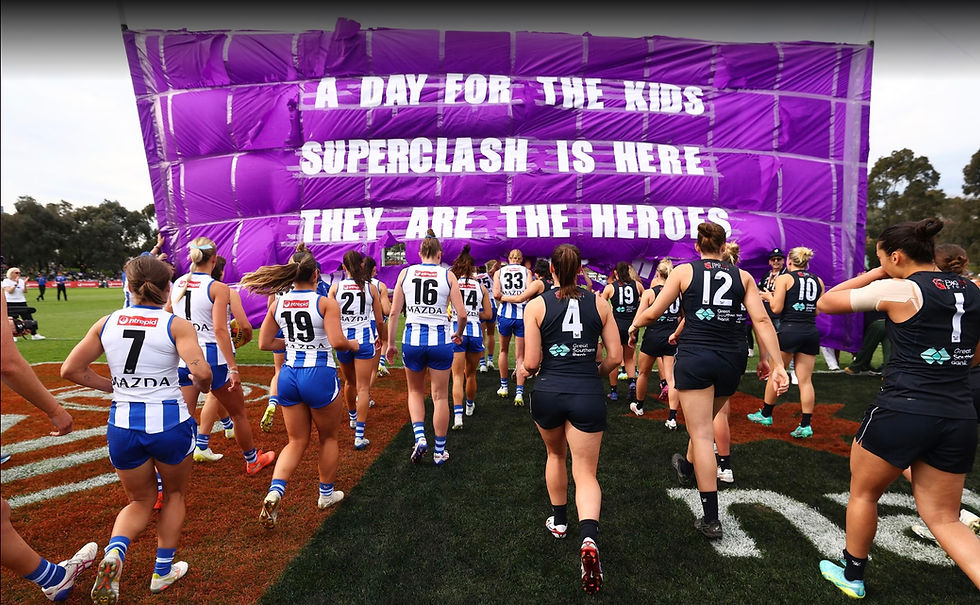
AFLW have celebrated their biggest crowds in the opening two rounds of the 2026 season at major stadiums in four double-header games. A stunning 66,996 fans attended the games and the AFLW now face the challenge of turning increased exposure into a lasting audience.
The season began in April, with four AFLW games played at major stadiums across Victoria and New South Wales, putting the women’s teams in front of larger crowds and existing AFL audiences.
ABC Sport journalist Marnie Vinall said major venues improve the quality of AFLW games while giving the competition greater visibility. “When there are bigger games, having them at these larger venues just sends a signal to the public that it’s a serious game.” Vinall said better playing conditions and broadcast quality also allowed the competition to present a stronger product to new audiences.
The 20,455 fans who attended Carlton’s first round clash against St Kilda at Marvel Stadium was seven times the size of the 2,879 fans recorded at IKON Park for Hawthorn’s match against Melbourne. Vinall said the change was not just reflected in attendance, but in the makeup of the AFLW audience, as more people come from other sports to create a more diverse fan base.
Port Adelaide midfielder Ella Boag, who was drafted to the club in 2022, said double-headers could introduce AFLW to audiences who might not otherwise attend. “You’re getting people watching who might not normally come specifically for an AFLW game, and hopefully that helps bring new fans into the competition” she said.
Despite those benefits, Vinall questioned whether double-headers were the ideal long-term model for AFLW. “I don’t cleanly love our double-headers,” she said. Although she acknowledges they do remain important to the competition’s growth and currently provide much of the AFLW’s access to major stadiums, Vinall said double-headers could also change the atmosphere for AFLW fans, making the women’s game feel less like a standalone event.
Ella Boag said the growing audience was already becoming more invested in the competition. “You see people knowing more about the players, teams and competition rather than just following the AFLW generally.” Marnie Vinall said growing investment was a sign the AFLW had moved beyond simply asking people to support women’s football, adding, “they want to ride the wins and feel the losses.”




Comments