


'The State of Man' sparks debate
Elke De Smet attended an exclusive panel discussion and screening of the new ABC docuseries exploring modern masculinity.
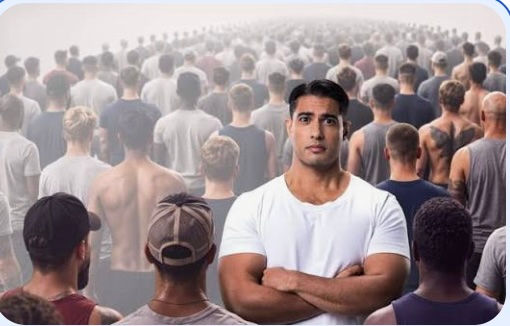
“Have we left young men behind in the fight for gender equality?” This was one of the key questions framing the new ABC docuseries, The State of Man.
A recent impact screening of clips from the three-hour documentary at Carlton’s Cinema Nova was followed by a lively panel discussion on how to support young men and prevent them from being drawn into harmful online ideologies. The panel, moderated by ABC journalist Beverly Wang, included: homeless youth councillor Xavier Brenton, Our Watch senior adviser and researcher Alice Drew, The Man Cave senior facilitator Josh Glover, and advocate Tarang Chawla.
The investigative documentary hosted by journalist Marc Fennell explores modern masculinity, algorithms, and the online ‘manosphere', described by UN women as "a loose network of websites, blogs, and online forums that promote male-focused ideologies, anti-feminism, and traditional or aggressive masculinity." The panel explored the importance of language in understanding and addressing that ideology.
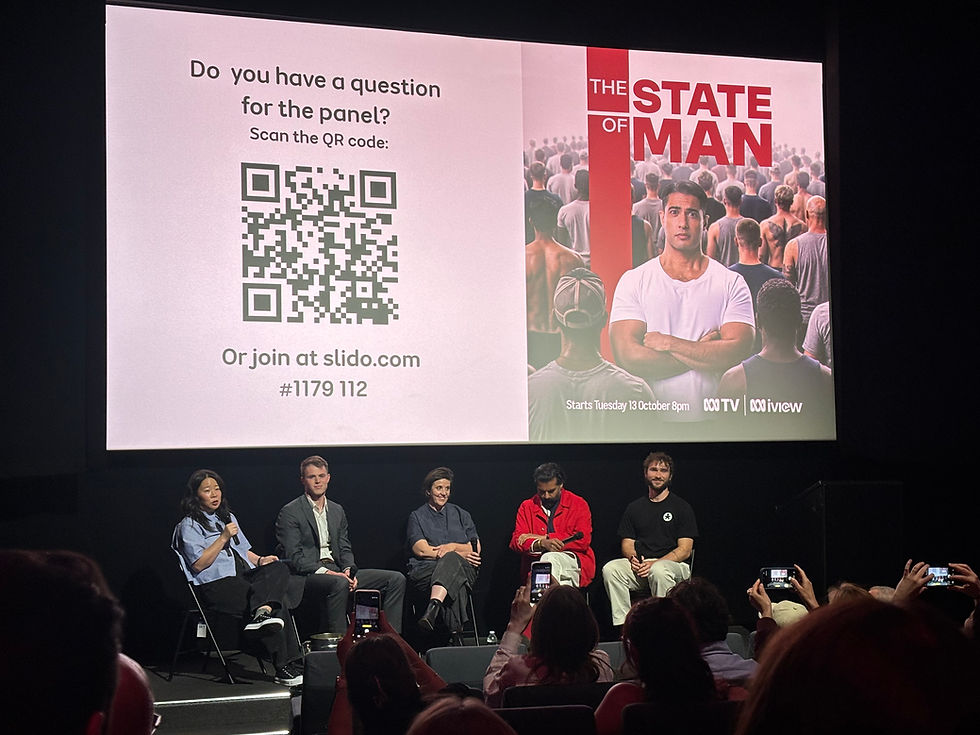
In one clip, a father discussed his son being drawn into, and later moving away from, harmful online ideas. “To have conversations, you need language,” he said of his struggle to talk about the ideology.
This theme resurfaced during the panel, when an audience member referred to a moment in the documentary featuring former Prime Minister Julia Gillard. Gillard had discussed how the negative connotations associated with phrases such as ‘toxic masculinity’ could push some young men further towards harmful ideas. The audience member asked whether the term ‘manosphere’ risked having a similar effect.
Throughout the conversation, the panellists emphasized the need for language that allows parents and others to identify the online spaces their children may be encountering and start conversations about them.
The panel discussion also explored why these spaces appeal to young men in the first place, pointing to the desire to belong, understand relationships and gain acceptance from peers. Social media algorithms and the commercial incentives behind online content were also raised.
“The algorithm is the money maker,” was one line from the screening. Tarang Chawla - a writer, lawyer, activist, commissioner and former independent political candidate - also challenged the suggestion that beneath boys’ anger lies an inherently good and compassionate person. Chawla argued that men and boys are not inherently good or bad but simply shaped by conditioning. Other panellists focused on how boys could develop healthier attitudes and relationships, including learning to communicate with one another, navigate rejection and shame, and discuss difficult emotions without feeling judged.
Alice Drew - whose non-profit organization Our Watch works to embed gender equality in the workplace and prevent sexual harassment and other forms of gender-based violence – urged fathers to start these conversations with their sons now, and not leave it up to women to create the change.
When the discussion turned to solutions, Josh Glover – a facilitator at the non-profit The Man Cave, Australia’s leading preventative mental health charity for boys and young men - shared an example from one of his workshops for young men. A boy had arrived visibly angry following a breakup and made sexist remarks about his ex-partner and racist comments about her new partner. Rather than immediately shutting down his comments, a facilitator acknowledged his anger and asked what it might be underneath. Glover recounted that the boy responded, “I guess I’ve just never felt so alone.” The facilitator then asked the room of around 30 boys who were already friends to raise their hands if this was the first time they had seen this side of their mate. Every hand went up. He asked them to keep their hands raised if they thought it had taken courage for the boy to share what he was feeling. Again, every hand stayed up.
Glover said the exchange changed the atmosphere of the workshop, allowing the boys to share their own feelings in a more open and vulnerable space. While change doesn’t come quickly, both the docuseries and the panel offer hope that young men can learn to meet vulnerability with empathy, rather than judgement.
The State of Man begins airing on ABC and iView on October 13.


Comments